



Heirloom Brass
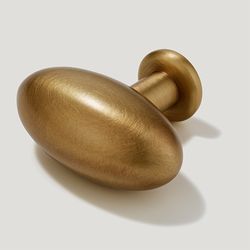
Warmer than Antique Brass and less pristine than Satin Brass, Heirloom Brass arrives feeling a little lived-in. Finished with a clear protective lacquer.


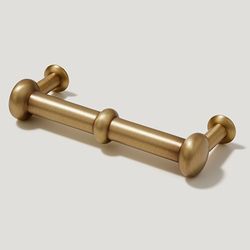
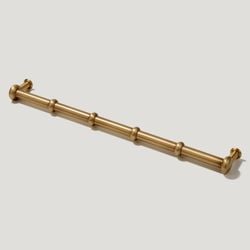
A heavyweight pull handle with traditional, period character, built for larger doors as well as kitchens, drawers and cupboards.
Beeilen Sie sich, nur noch 6 Artikel auf Lager.
 Free UK Standard Shipping over £75
 Certified B Corp
 Over 3,000 5 Star Reviews
Finish Guide.

Heirloom Brass
Warmer than Antique Brass and less pristine than Satin Brass, Heirloom Brass arrives feeling a little lived-in. Finished with a clear protective lacquer.
Pairs Well With
Suits rich, bold heritage cabinetry colours — deep greens, inky blues, warm ochres — where the warmth deepens the scheme rather than competing with it.

Maintenance
Protected with a lacquer coating. Wipe with a soft, non-abrasive cloth — no special care needed. Avoid metal polishes and abrasive pads, which can strip or scratch the finish.
The name reflects the look — like a piece that's already been passed down a generation or two, with warmth and character built in from the start rather than earned over years of use.
Heirloom Brass is warmer than Antique Brass and less pristine than Satin Brass — it arrives feeling a little lived-in. Satin Brass, by contrast, is cleaner and brighter with a subtly brushed surface. Both are lacquered, so both stay consistent over time.

Aged Brass
The most weathered of the brass family, achieved through a tumbling process. It looks like it arrived with a history already attached. Finished with a clear protective lacquer.
Pairs Well With
At its best against smoked oak, slate, and deep charcoal cabinetry, and moody heritage colours — dark teal, burnt umber, near-black greens.


Maintenance
Protected with a lacquer coating — dust with a soft, dry cloth, or use warm water with a little mild dish soap for a deeper clean, then dry immediately. Avoid metal polishes like Brasso, which can strip the lacquer.
Expect some natural variation — the tumbling process that creates the weathered texture is physical, not printed, so no two pieces are identical. That's part of the character of the finish
Aged Brass is the most weathered of the whole brass family — achieved through a physical tumbling process that gives it a pitted, textured look, like it arrived with a history already attached. Heirloom Brass is warmer and smoother, with a subtler lived-in quality rather than that pronounced worked texture.

Satin Brass
Clean, warm and more vibrant than Antique Brass, with a subtly brushed surface that catches the light. Finished with a clear protective lacquer.
Pairs Well With
Works particularly well with warm whites, soft greiges, and caramel-toned timbers, and brings warmth without weight against pale blue cabinetry.

Maintenance
Protected with a lacquer coating. Simply wipe with a soft cloth dampened in warm water and a little dish soap, then dry immediately — avoid metal polishes, which can strip the lacquer.
Satin Brass is lacquered, meaning it holds its colour consistently with minimal maintenance. Unlacquered Brass has no coating, so it evolves — developing a rich patina that varies depending on its environment and use.
It's the one to reach for when you want brass without the drama of a living finish — full colour consistency from day one, with no patina to manage.

Antique Brass
Warm, soft and aged, with a wire-brushed finish that gives it the most storied appearance in the range. Finished with a clear protective lacquer.
Pairs Well With
Pairs naturally with earthy cabinetry colours — tobacco, terracotta, aged olive — alongside natural timber and stone, and brings a grounding warmth against dusky pink.

Maintenance
Protected with a lacquer coating — dust with a soft, dry cloth, or use warm water with a little mild dish soap for a deeper clean, then dry immediately. Avoid metal polishes, which can strip or cloud the finish.
Expect some natural variation — the wire-brushed, aged effect is applied by hand, so no two pieces are perfectly identical. That variation is part of what gives Antique Brass its storied character.
Yes — lacquered finishes like Antique Brass are easier to maintain in humid spaces than an unlacquered finish; just dry it thoroughly after splashes.

Unlacquered Brass
The only living finish in the range — left unsealed so it develops a rich patina over time, ageing naturally with the space around it.
Pairs Well With
At its best alongside materials that evolve in the same way: aged timber, honed stone, worn leather — and striking against aubergine cabinetry, where the two elevate each other.

Maintenance
Left unlacquered, so it develops a natural patina over time. A soft, dry cloth is enough for everyday care — for anything more stubborn, warm water with a little mild dish soap works well. A specialist brass polish will restore shine if you'd prefer a brighter look; avoid abrasive pads and harsh or bleach-based cleaners.
Yes — and that's by design. Unlacquered Brass has no protective coating, so it reacts naturally with air, moisture and the oils in your hands. Over time it develops a patina.
A brass polish or one of the DIY paste methods will bring it back to a brighter tone. It'll begin to oxidise again over time.
Blackened Bronze
Bold, architectural and grounding, with a warm reddish undertone that reveals itself in daylight — more characterful than a flat matte black. Finished with a clear protective lacquer.
Pairs Well With
Anchors deep, saturated schemes — forest green, navy, aubergine cabinetry — making dark palettes feel fully resolved.


Maintenance
Protected with a lacquer coating. Simply wipe with a soft cloth using warm, soapy water, then dry immediately — avoid metal polishes and abrasive pads.
Yes — its bold, architectural character works just as well anchoring a contemporary space as it does adding depth to a more traditional scheme, especially against deep, saturated cabinetry colours like forest green, navy, or aubergine.
It's warmer and more architectural, with that reddish undertone giving it depth a flat matte black doesn't have — it grounds a scheme rather than flattening it.

Polished Nickel
A cooler, high-shine, contemporary finish with a warm undertone. Not lacquer-protected, but naturally resilient, requiring minimal upkeep.
Pairs Well With
Reads crisp and cool against butter yellow for a considered contrast, and pairs just as naturally with cool-toned stone, marble, or a contrasting Unlacquered or Antique Brass.


Maintenance
Not lacquer-protected but naturally resilient. A soft cloth is sufficient for day-to-day care.
Not in the way brass does. Polished Nickel is highly resistant to tarnishing — over time it gently mellows rather than discolours, developing a lived-in lustre that many designers consider part of its appeal.
Both are high-shine metal finishes, but Polished Nickel is warmer — it has subtle golden undertones that give it depth and softness. Chrome is cooler, brighter and more clinical.
Absolutely — mixing metals is very much a considered design move rather than a mistake. Polished Nickel pairs particularly well with Satin Brass or Unlacquered Brass.
A heavyweight pull handle with traditional, period character, built for larger doors as well as kitchens, drawers and cupboards.
Beeilen Sie sich, nur noch 6 Artikel auf Lager.


